How Scent Changes the Mood of a Room

A room can feel different before you know why.
You light a candle, the fragrance begins to move through the space, and something shifts. The room may feel warmer, fresher, more inviting, or simply more like your own.
Scent is one of the most immediate ways we experience a space. It's also closely connected to memory and emotion, which helps explain why a familiar fragrance can transport us so quickly to another place or time.
Why Scent and Memory Are So Closely Connected
Have you ever caught a familiar scent and suddenly found yourself somewhere else entirely?
A perfume can remind you of someone you haven't thought about in years. Woodsmoke can bring back a childhood home. A particular flower can transport you to a garden or a place you once traveled.
This powerful connection between scent and autobiographical memory is sometimes called the Proustian phenomenon, named for Marcel Proust's famous description of childhood memories resurfacing after tasting a madeleine dipped in tea.
There is a biological reason scent and memory are so closely intertwined. The brain's olfactory system has unusually close connections to the amygdala and hippocampus, regions involved in emotion and memory. Research has found that memories evoked by scent can be particularly emotional and often reach further back in our lives than memories prompted by other types of cues.
That's part of what makes fragrance so personal. We don't experience a scent based on its notes alone. We bring our own memories, associations, places, and people to it.
How Scent Shapes a Room
We spend a lot of time thinking about how our homes look: the furniture, lighting, art, color, and objects we choose to live with. Scent adds another layer.
A deep, woody fragrance can make a room feel warm and enveloping. Green notes can make it feel fresher and more open. Florals can feel lush and expressive, while amber and spice bring warmth and intimacy.
There are no universal rules. Because scent is so closely tied to personal experience, a fragrance that feels grounding or nostalgic to one person may evoke something entirely different for someone else.
The goal isn't to find the "right" scent for a room. It's to find the one that creates the atmosphere you want to live in.
Woody Scents: Warm and Grounding
Sandalwood, cedar, vetiver and hinoki bring depth and warmth to a space. These fragrances tend to feel earthy and grounded, making them natural choices for living rooms, bedrooms and anywhere you want to settle in.
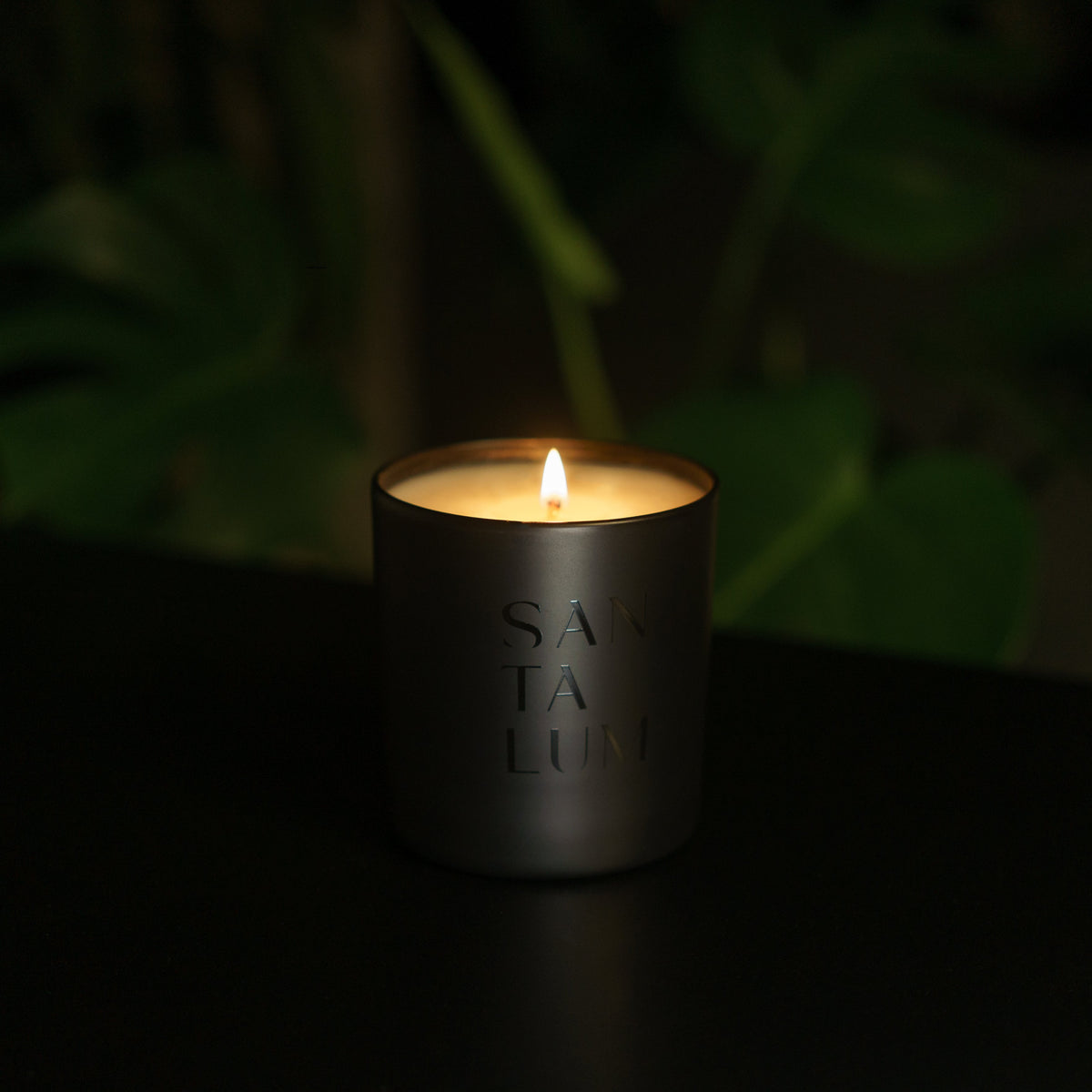
Santalum layers rich sandalwood with aromatic cardamom, earthy vetiver and soft amber for a scent that's warm, creamy and grounding.
Hinoki takes a fresher approach to woods, pairing Japanese cypress and bergamot with cedar, oakmoss and musk. It evokes the freshness and stillness of a Japanese forest.
Fresh & Green Scents: Bright and Uplifting
Green fragrances can bring freshness to a room without smelling overtly clean or citrusy. Think crushed leaves, aromatic herbs, green woods and the scent of the outdoors coming through an open window.
Fig Tree combines green fig leaf with the sun-warmed woodiness of bark and the creamy richness of ripe fig, grounded by an earthy, musky base.
Fresh and woody at once, it brings a lighter, greener feeling to a space.
Floral Scents: Lush and Expressive
Floral fragrances can range from delicate and airy to rich and enveloping. Gardenia and jasmine have a particularly lush quality, while rose can feel romantic, earthy or even woody depending on what surrounds it.
Gardenia layers gardenia and jasmine with ginger, muguet and musk for a floral fragrance with both richness and freshness.
Tea Rose pairs rose and jasmine with earthy oakmoss and oud, giving the classic floral a deeper, more complex character.
Warm & Spiced Scents: Cozy and Inviting
Cardamom, clove, amber and other warm notes can give a room an intimate, inviting quality.
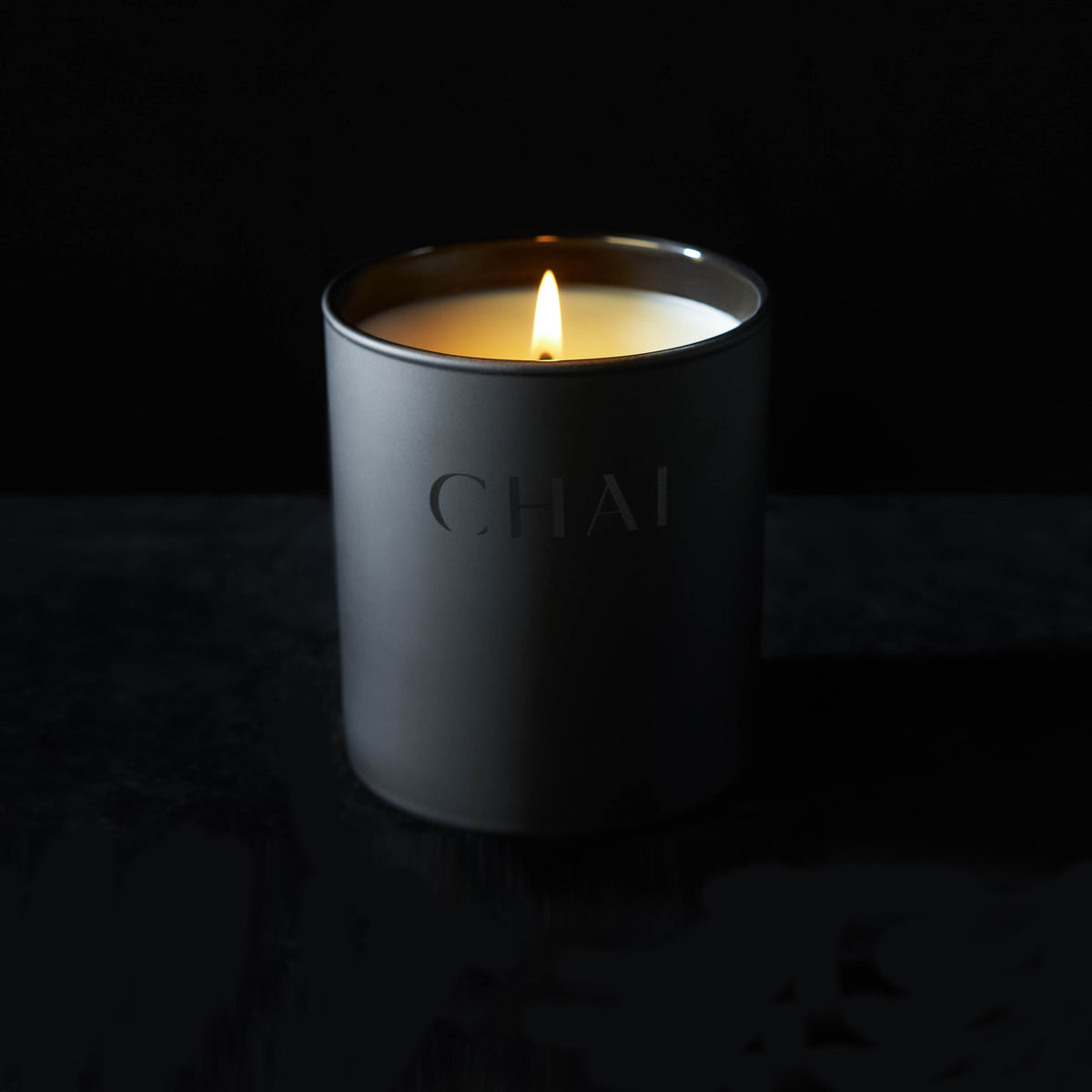
Chai combines green cardamom and rich clove with ginger, black tea and hot milk. Aromatic and comforting, it brings the warmth of spice without overt sweetness.
Choosing a Home Fragrance
Rather than choosing fragrance according to a strict set of rules, start with how you want your space to feel.
If you're drawn to something grounding, explore woods like sandalwood, cedar, hinoki and vetiver. For something brighter, look for green, herbal or citrus notes. Florals bring a more expressive presence, while amber and spice add warmth and depth.
Room size matters, too. A fragrance that feels subtle in an open living space may feel much more pronounced in a bedroom or bathroom. Experiment with where you place your candle or reed diffuser and give the fragrance time to become part of the room.
Most importantly, choose a scent you genuinely enjoy living with.
Scent Becomes Part of the Ritual
There is also something powerful about the ritual itself.
Lighting a candle can mark a transition in the day. The workday ends. Dinner begins. Friends arrive. The lights go down. You pick up a book or pour a glass of wine.
Over time, the fragrance in the background can become associated with those moments. A scent you choose for your home today may eventually become part of how you remember it.
That's what makes home fragrance so personal. Scent doesn't just change how a room smells. It becomes part of how the room feels, and sometimes, part of how we remember the life that happened there.
Different scents shape a room differently. Sometimes the right one surprises you.